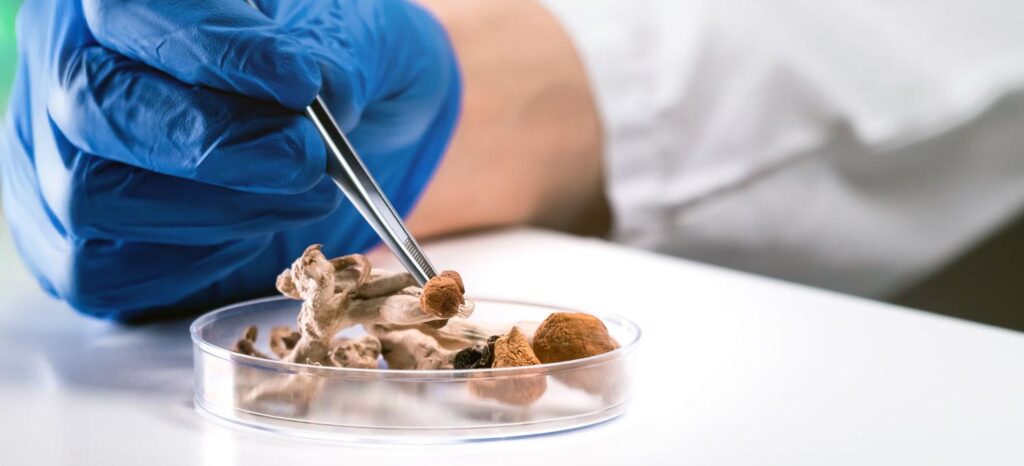
psilocybin Mushrooms for Health and Addiction
What is psilocybin?
Psilocybin is a chemical found in certain mushrooms. Indigenous peoples in Mexico and Central America have used it for thousands of years in sacred traditions.
In the United States, psilocybin is seen as a psychedelic drug. This type of drug affects how the brain processes serotonin. Common names for psilocybin include magic mushrooms, mushrooms, or shrooms.
When people take psilocybin Mushrooms, their bodies change it into psilocin. Psilocin has effects similar to LSD, another well-known hallucinogen.
The effects of psilocybin Mushrooms can be unpredictable and vary from person to person. At certain doses, psilocybin can change moods, thoughts, and perceptions.
Users may feel strong emotions, see bright images, relive memories, or feel a sense of timelessness.
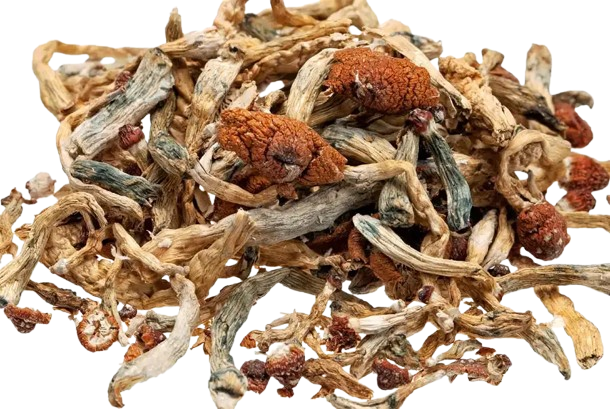
Psilocybin can be eaten fresh or dried. Though they taste bitter, mushrooms can be eaten alone, mixed with food, or made into tea. Most nonmedical use of psilocybin involves mushrooms.
Also, Making synthetic psilocybin is complicated and costly. Some people take small amounts, called “microdoses,” to improve mental health, boost productivity, or reduce pain. However, it is unclear if microdosing is safe or effective.
Interest in using psychedelic drugs to treat mental health issues is growing. These issues include depression, anxiety, PTSD, and addiction. In 2018 and 2019, the U.S.
Furthermore, Food and Drug Administration (FDA) recognized psilocybin-assisted therapy as a “breakthrough therapy.” This status was given for treating major depressive disorder and treatment-resistant depression.
The FDA can give this status to treatments for serious conditions. This happens if early evidence suggests they might be more effective than other options.
Is Psilocybin Mushrooms Legal?
The legal status of psilocybin mushrooms in the United States is changing. Right now, the Drug Enforcement Administration (DEA) classifies psilocybin as a Schedule 1 controlled substance.
This means that possessing it is illegal at the federal level. A Schedule 1 substance is a drug that is considered unsafe, has no accepted medical use, and has a high risk of abuse.
Even though psilocybin is illegal federally, some states and the District of Columbia have decriminalized or deprioritized its possession. Other states have made laws to regulate the production, sale, or supervised use of psilocybin.
Generally, when people talk about recreational use of psilocybin, they mean mushrooms that contain it. Making synthetic psilocybin is difficult and costly.
Who uses psilocybin in the United States?
A national survey on drug use and health found that 9.68 percent of U.S. adults have used psilocybin at least once in their lives. This data was collected between 2015 and 2018.
The survey found that more non-Hispanic White adults used psilocybin compared to other groups.
- 11.8 percent of non-Hispanic White adults used psilocybin.
- In contrast, 5.1 percent of Hispanic adults used it.
- Only 3.3 percent of non-Hispanic adults from racial minorities used psilocybin. A survey from 2022 looked at students in grades 8, 10, and 12. It found that 4 percent of teens used psychedelics, like psilocybin, in the past year.
Is psilocybin safe?
There are several concerns about the safety of psilocybin:
- A 2022 article for palliative care clinicians says people should take psilocybin only with a trained therapist. The therapist should manage the “set” (the mental state) and “setting” (the physical environment). Both are important for safety in psychedelic therapy.
- Experiences can be unpredictable. They depend on how much psilocybin people take and their personality, mood, and expectations. The surroundings, like the presence of a trained facilitator and the type of light and music, also matter. Other factors include the person’s health, the type of mushroom, past experiences, and use with other drugs.
- Some people report unpleasant experiences, known as “bad trips.” These can involve extreme fear, confusion, or panic.
- Psilocybin can cause some negative effects.
- These effects may include:
- Increased blood pressure
- Increased heart rate
- Headaches
- Nausea
- Dizziness
- Fatigue
- Poor sleep
- Anxiety
- Paranoia
- Hallucinations
- Microdosing psilocybin can lead to insomnia, increased anxiety and depression, low energy, and physical discomfort. It can also cause poor focus and social skills.
- Psilocybin is not safe for people with psychotic conditions like schizophrenia, schizoaffective disorder, or severe bipolar disorder and borderline personality disorder.
- Psilocybin can be mixed with dangerous substances, like colorless and odorless fentanyl, which is hard to detect.
- Very high doses of psilocybin can be deadly. Some poisonous mushrooms look like psilocybin mushrooms, which can lead to fatal poisoning.